
I wanted to share a more detailed look into how our learning rhythm flows at home and why this approach has worked so well for us.
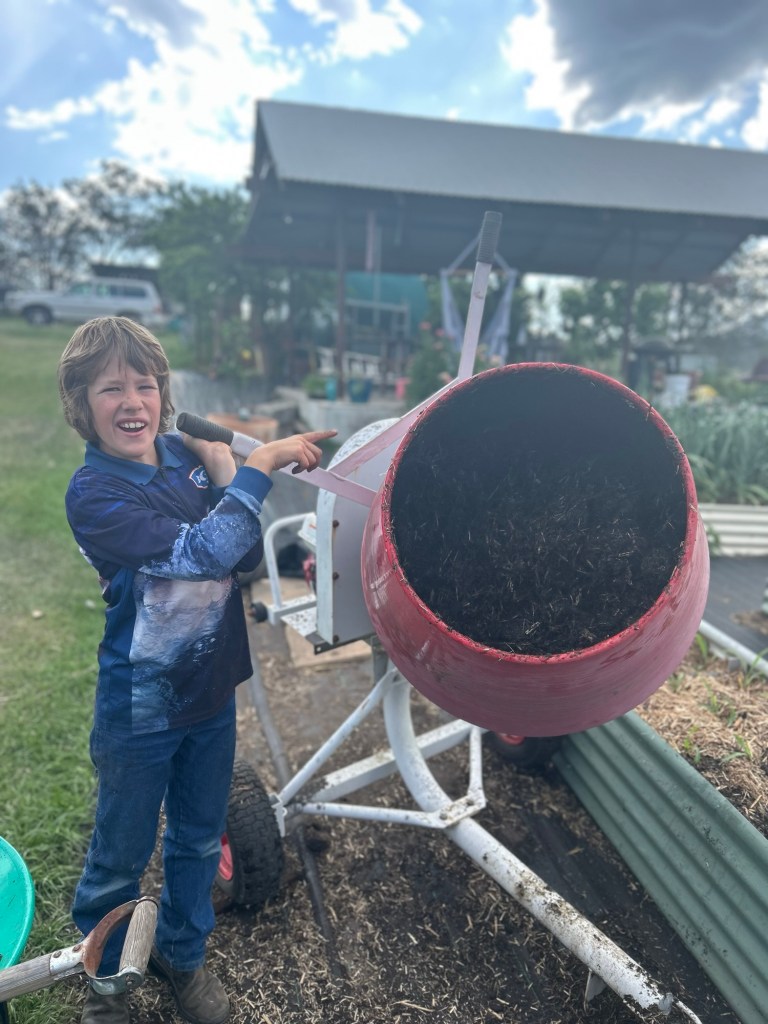
We use IXL for maths, English, and science — usually around 30 minutes per subject each day — alongside a wide mix of real-world learning. That includes gardening, reading, creative writing, nature walks, baking, building, caring for animals, and simply engaging with life as it naturally presents itself.
Over the past year, I’ve watched our children grow in more ways than I could have imagined — not only in knowledge, but in curiosity, confidence, and their ability to think independently.
The graph I shared offers a general comparison between students who follow a daily mastery-based approach (like IXL combined with real-world exploration) and those who progress within the traditional, time-based structure of mainstream schooling.
This isn’t about one being better than the other — it’s simply an illustration of how different models of learning create different rhythms of growth.
What We’ve Observed
IXL follows a mastery-based structure. This means the learner continues practising a skill until they have truly understood it, rather than moving forward based on time or schedule. When the concept is secure, the program introduces more complex challenges. When a child struggles, it gently cycles back to reinforce understanding.
Traditional schooling, on the other hand, is designed around time-based progress — the class moves forward together, even if certain concepts haven’t been fully grasped by everyone. This creates a broad exposure to ideas, but sometimes leaves less room for individual consolidation.
The graph shows how a consistent, short daily rhythm of targeted learning — even just thirty minutes — paired with real-world application, can create a stronger sense of mastery and confidence over time. The progress curve rises steadily because understanding compounds with consistency, not with longer hours.
The Value of Homeschooling and Supplementary Learning
What homeschooling, or even supplementing school learning at home, allows is an adjustment of pace. It makes space for individual rhythm, for learning that is embodied and connected to real life. It supports the child’s emotional wellbeing and nurtures confidence as they begin to see themselves as capable, adaptable learners.
This type of education cultivates both skill and self-trust.
A Note on Perspective
This reflection isn’t about prescribing what others should do. Every family, every child, and every circumstance is different. Many other programs, platforms, and learning pathways serve families beautifully — whether that’s Khan Academy, MathSeeds, Reading Eggs, nature-based or unschooling models, or a traditional school environment that suits a child’s temperament and needs.
This is simply what has been working for our family: a rhythm of mastery-based learning balanced with curiosity, movement, creativity, and real-world experience.
Regardless of the method, what matters most is that children feel supported, engaged, and inspired to continue learning in a way that honours who they are.
In Essence
Learning is not a race, but a rhythm. When understanding is allowed to deepen before moving forward, progress becomes both natural and sustainable.
Whether learning through structured programs, books, outdoor experiences, or everyday moments, it all contributes to growth. The graph simply illustrates what I’ve witnessed firsthand — that steady, consistent engagement leads to profound and lasting learning.


 YoZenQi Holistic - Megen Hibbins